
Economics
The Wealth of Nations
by Adam Smith · 1776 · ranked 01 in Economics
Prices coordinate the actions of strangers who have no knowledge of each other.
Every book we have ranked, searchable by title, author, or idea. 45 titles across 9 lists.
Prices coordinate the actions of strangers who have no knowledge of each other.

Credit relationships predate coinage; debt is social before it is financial.

Bubbles follow a repeatable five-stage sequence driven by credit expansion.

Default and banking collapse are ordinary recurring events, not aberrations.
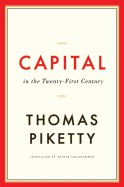
When returns on capital outpace growth, wealth concentrates by default.

The default path to wealth works, but it's not the only lane — and assuming it's the only one closes off faster paths worth at least considering.

Financial freedom is a function of the gap between income and expenses, and the three biggest expense categories are where that gap actually gets built.

Financial freedom has a specific, calculable number attached to it, and increasing income moves you toward it faster than cutting expenses does past a certain point.
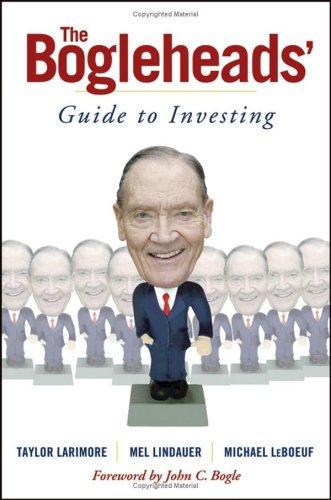
A boring, low-cost, broadly diversified portfolio outperforms most attempts to be clever, and the evidence for that is no longer seriously contested.
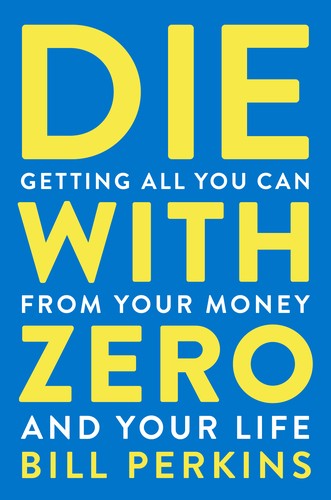
A financial freedom plan with no spending phase isn't actually freedom — it's accumulation with better vocabulary.

A freelancer has to manually replicate everything a payroll department does invisibly for an employee — the book is a checklist for building that missing infrastructure.
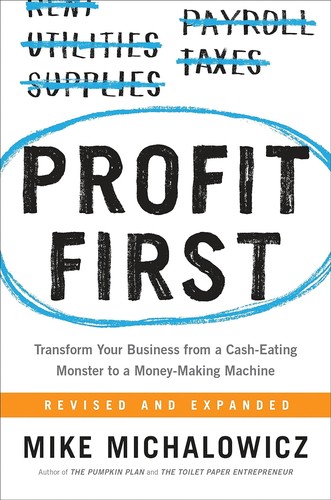
Allocate percentages the moment money arrives, and taxes and profit stop being an afterthought you discover you can't afford.
Most self-employment tax mistakes are missed deductions and structure choices, not fraud — both are fixable with the right checklist.

Rates, contracts, and benefits are decisions freelancers make once and live with for years — worth getting deliberately, not by accident.

Bigger isn't the only measure of success — sometimes the better decision is staying exactly the size you are.
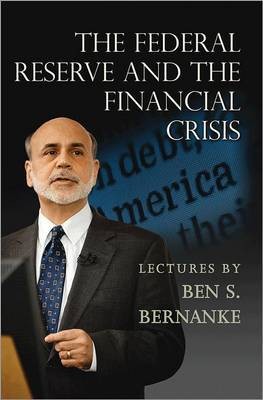
The Fed was created to prevent bank panics, and its later mandate to manage inflation and employment grew out of that original, narrower purpose.

The Fed's independence from elected government is a deliberate design choice with real democratic costs, not a neutral technical arrangement.

Central bankers defending an outdated rule (the gold standard) turned a manageable downturn into a global depression — proof that monetary mistakes compound.
Central banks improvised most of their 2008 crisis response — the playbook was written during the crisis, not before it.
Interest rates are the price of time itself, and holding that price artificially low for too long distorts an economy in ways that take years to surface.

Price and value are different numbers; the gap between them, the margin of safety, is where returns come from.

Financial outcomes are driven by temperament and time, not intelligence or analysis.

Fifty years of evidence that active strategies rarely survive their own costs.

Judge management and research culture, not just the balance sheet.

Good decisions come from borrowing models across disciplines and inverting the question.

There isn't one passive income strategy — there's a portfolio of small ones, and most successful cases combine several rather than betting on one.
A rising dividend, reinvested, compounds faster over a decade than a high starting yield that stagnates.

A rental property's return is decided at purchase — the numbers either work before you buy, or no amount of good management fixes them after.

Real estate investors who build real wealth work from a defined set of buying criteria and terms, decided in advance, not deal by deal.

Design the removal of your own labor into the business from the start, rather than trying to remove it after the business already depends on you.

Smallest balance first, because early wins are what keep people in the plan.
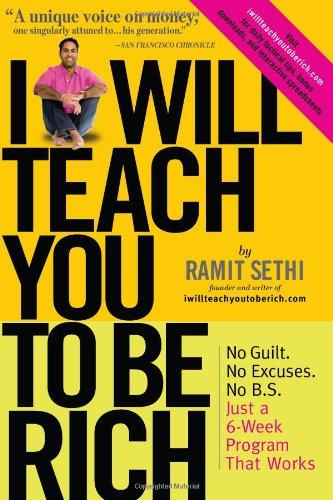
Automate the transfers once and the outcome stops depending on discipline.

Clearing a balance is a guaranteed return at the interest rate you were paying.

Debt decisions are social as often as they are financial.

Payoff only holds when insurance and a buffer are in place around it.

Most of what the financial industry sells as complexity is unnecessary; a handful of rules covers almost every situation.

Automate savings before you ever see the money, and building wealth stops requiring willpower.

A small number of separate accounts with automatic transfers removes the need to budget from memory or willpower.

Fees compound against you as relentlessly as returns compound for you — minimizing them is one of the highest-leverage decisions an investor controls.
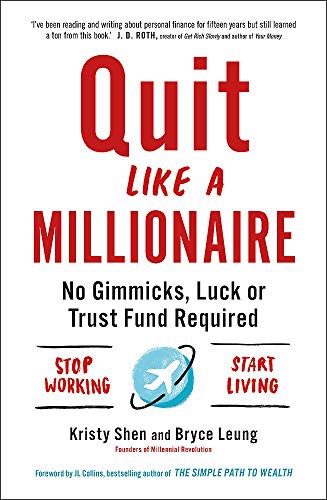
A portfolio built to be spent from needs a different design than one built only to grow.
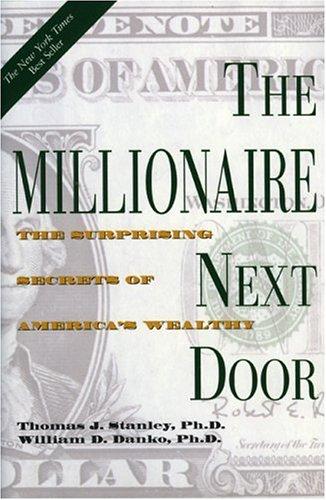
High income and high net worth are weakly correlated; consumption is the variable people underestimate.

Convert every expense into hours worked, and spending decisions change on their own.

Pay yourself first, and treat the tenth you keep as untouchable.

The gap between investment return and investor return is created by your own decisions.
Experiences have an expiry date, so the optimal savings rate is not the highest one.
A short, opinionated email — no filler, no fifty-book roundups. Just what's worth reading next.